Key takeaways
- Soft-tissue injury runs on a delay. Swelling and muscle guarding build over the first day or two, so the second morning is usually worse than the first.
- Worse on day two does not mean something went wrong overnight. It means the injury is now showing itself, which is the right time to have it examined.
- The stiff-as-a-board feeling is muscle guarding, your body splinting the area. It is a signal, not a plan.
- Get examined while the picture is clear. Waiting for it to fade makes the exam less useful, not more.
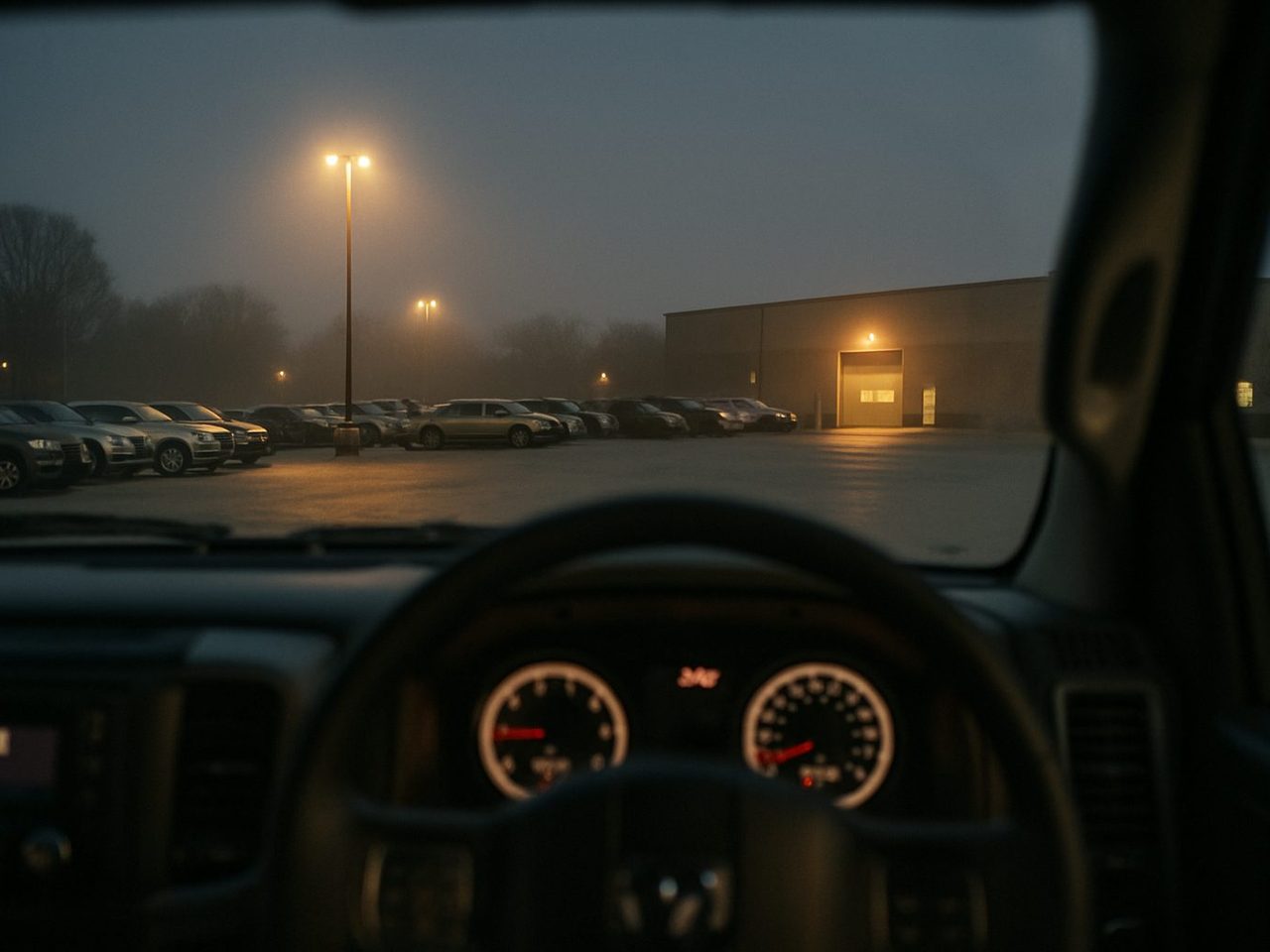
Day one you were sore and a little proud of yourself for shaking it off. Day two you woke up, went to sit up, and your low back said no. Getting out of the truck in the lot took a plan. You stood at the time clock trying to turn your head and could not. This is the second morning, and this page is about why it happens and what it means.
Why the second morning is the hard one
A rear-end hit or a side impact loads the soft tissue of the neck and low back in a way those tissues were not built for. Muscle fibers and ligaments get stretched and micro-torn. The body's response to that is inflammation: fluid moves into the area, the tissue swells, and the surrounding muscles tighten to protect it. None of that is instant. It builds over the first day or two, which is why people who felt fine at the scene feel terrible on the second morning.
Add sleep to that. Lying still for seven hours lets the swelling settle and the muscles shorten. The first movement of the morning asks a stiff, swollen, guarded back to do the one thing it is currently refusing to do. That is the moment the injury stops being theoretical.
The NINDS describes whiplash symptoms as often delayed, and general back-strain guidance from the NIH describes most acute back pain as mechanical, meaning it comes from strained muscle, ligament, or joint rather than from something structural. Mechanical does not mean minor. It means the injury is in the tissue that does the work, which is exactly the tissue your job uses. (NINDS, back pain; NIAMS, back pain basics.)
What the stiffness is telling you
Stiff as a board is muscle guarding. Your body has decided the area is unstable and is splinting it with tension. That is useful for a few hours and a problem after that, because guarded muscle fatigues, cramps, and pulls on everything around it. The headache at the base of the skull on the second morning is usually the neck muscles doing this.
Two things the stiffness is not. It is not proof you did something wrong yesterday, and it is not proof the injury is getting worse in some permanent way. It is the injury becoming visible. That is what makes the second morning the right day to make the call: there is now something for a clinician to examine, measure, and write down.
The bright line
Sore and stiff is a clinic problem. Some things are not. Numbness or tingling that spreads down a leg and is getting worse, weakness in a leg, a loss of bladder or bowel control, or a back injury with fever are the warning signs the NINDS flags for urgent evaluation. Those are emergency room problems today, not a clinic call this week. If you are unsure which side of the line you are on, the emergency room is the safe answer.
What to do with the second morning
First, get through the morning without a hero move. Roll to your side before you sit up. Use the door frame to get out of the truck. Do not test the back with a lift to see if it is really that bad. It is that bad, and testing it proves nothing.
Second, make the call on your first break. Missouri Injury Clinic examines auto-injury patients at three offices around the metro. South County on Tesson Ferry is open Monday through Thursday 9 to 6 and Friday 9 to 12, with a 12 to 2 closure every day. Say it was a car crash, say when, say your back locked up this morning. Ask for the earliest slot that fits after your shift. The script is on the getting seen page.
Third, write down what the second morning was like. Where the pain sits, what movements you cannot do, what the headache feels like. You will be asked, and a clear answer on day two makes a better record than a fuzzy memory on day ten. The paperwork page explains why that matters.
Punch in
The clear picture does not last.
An exam on the day the injury is showing itself gives the clinician something real to measure. A week later it is blurrier, and the plan is vaguer. Call South County on your break.
Say it was a car crash and when. Ask for the earliest slot that fits your shift.
Why waiting makes the exam less useful
Here is the counterintuitive part. People wait for the pain to settle before they get examined because they want to see if it is serious. But a settled back is a harder back to examine. The guarding relaxes, the tender spots blur, and the clinician is working from your description instead of from findings. An exam on the second or third morning catches the injury at its clearest. That is not a reason to panic. It is a reason to make one call this week instead of next month.
And if you are already past the second morning, if it has been two weeks and you kept working through it, go anyway. A later exam is still a real exam, and an honest timeline is part of the record.