Key takeaways
- One call on a break, one opening after a day shift. Hazelwood and Tesson Ferry are open until 6 Monday through Thursday.
- Every office closes 12 to 2, every day. Do not burn a lunch break driving over unannounced.
- Say three things on the phone: it was a car crash, when it happened, where it hurts. Ask for the earliest slot that fits your shift.
- The first visit is an exam, written findings, and a treatment plan. You leave knowing what is going on, not with a vague come-back-later.
Getting examined after a wreck should not require a day off. It requires one phone call on a break and one visit that fits after a shift or on a Friday morning. Here is how to do it at Missouri Injury Clinic without wrecking your schedule: the numbers, the script, what to bring, and what actually happens in the office.
The numbers
South County on Tesson Ferry, (314) 530-5480, 11144 Tesson Ferry Road, Suite 200, Saint Louis, MO 63123. For most readers of this bulletin, that is the office. Hazelwood in North County, (314) 627-1411, 14 Village Square Shop Ctr, Hazelwood, MO 63042. Lake St. Louis in O'Fallon, (636) 280-0990, 2163 West Terra Lane, O'Fallon, MO 63366.
Hazelwood and Tesson Ferry run Monday through Thursday 9 to 6 and Friday 9 to 12. O'Fallon runs Monday, Tuesday, and Thursday 9 to 6, with Wednesday and Friday by appointment. Every office closes 12 to 2 each day. Full details, with the drive logic, are on the three offices page. Confirm the hours on the call; this bulletin repeats what the clinic publishes, and the clinic is the authority.
The script
You do not need to explain yourself. Three sentences do the job. It was a car crash. It happened on this day. My back and neck hurt, and here is where. Then one question: what is the earliest opening that fits around my shift. If you work days, say you are free after 4. If you work nights, say mornings are best. If Friday morning is your only window, say that.
If your head took a hit, or you have had a headache or fog since the crash, say that too. The clinic publishes a concussion rehab lane and it changes what they look at. The head took a hit page covers what to watch for.
If you are making the call for somebody else, a coworker, a spouse, a kid who drives, same script. Their name, a number that actually reaches them, the crash date, where they hurt, and which office is the shorter drive. Tell them what you told the clinic. A handoff they did not hear about is not a handoff.
What to bring
The basics. The crash date and roughly what happened, including the direction of the hit and whether you were belted. Where it hurts now and where it hurt first. Anything the emergency room gave you if you went, including discharge paperwork and imaging. A list of what you take, including the ibuprofen you have been living on. Your work schedule, so the plan can fit it. And if you already have an attorney for any reason, bring their contact so records can be sent where they need to go. Nobody at the clinic or on this bulletin will tell you whether you need one.
Wear something you can move in. You will be asked to bend, turn, and reach so the exam can see what the crash changed.
What the first visit actually is
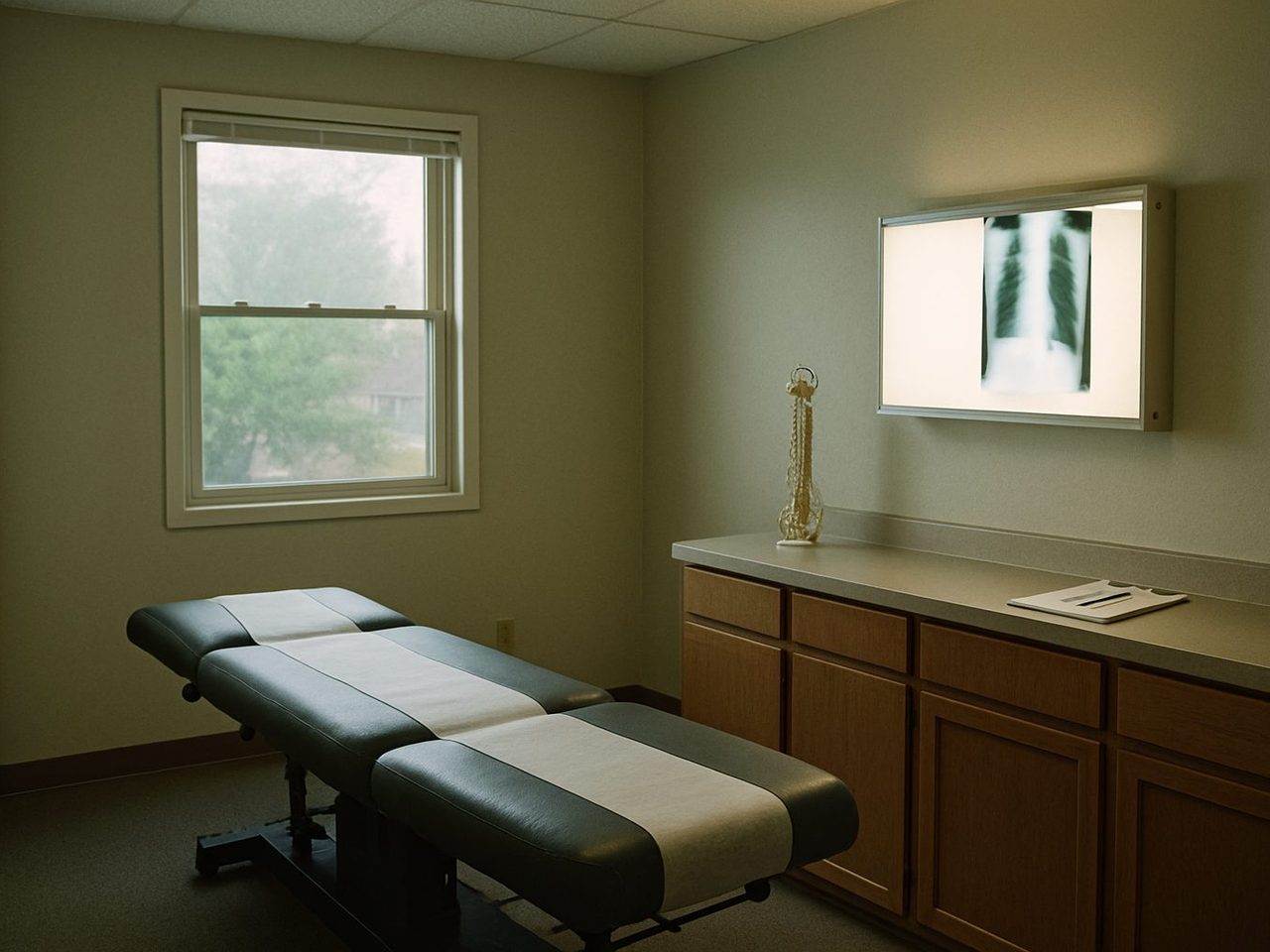
A history. The clinician asks about the crash, the hit, your symptoms since, and your health before it. Then a physical exam: range of motion in the neck and back, where the pain lives, what reproduces it, strength and sensation in the arms and legs, the things that separate a strained back from something that needs a different door. Then findings, written down. A diagnosis if the exam supports one. And a treatment plan you can repeat out loud: what the care looks like, how often, what to do and avoid on shift, and what would make them send you somewhere else for imaging or a different specialty.
Ask the plain questions. What did you find. What is the plan. How long before we should expect a change. What would make you refer me out. A clinician who cannot answer those is not handing you a plan worth keeping. Missouri Injury Clinic publishes its auto-injury lane as diagnosis and a treatment plan after a crash, and that is what you should walk out with.
Ask the clinic directly how a visit is billed and what they accept. This bulletin does not publish payment terms for a clinic it does not own, and it will not describe an arrangement it cannot verify.
The ER bright line
A clinic visit is planned care. It is the step after an emergency has been ruled out, not a substitute for one. Chest pain, a sudden severe headache, weakness or numbness on one side, trouble speaking, a loss of bowel or bladder control, or a head injury with vomiting or worsening confusion is an emergency room trip right now, not a call to a clinic. If you are unsure, the emergency room is the safe answer, and a clinic that sends you there instead of booking you is the system working.
Punch in
One call, one opening.
Make the call on your break. Take the first slot that fits after your shift. Walk out with findings on paper and a plan you can repeat.
Closed 12 to 2 every day. Hazelwood and Tesson Ferry open until 6 Monday through Thursday.
Fitting it around a shift
Day shift, 7 to 3:30: call at your morning break, ask for anything after 4, Monday through Thursday at Tesson Ferry or Hazelwood. Night shift: ask for a 9 or 10 in the morning on your way home, any day but Friday afternoon. Rotating schedule: tell them the days you are off this week and let them find the slot. Friday morning 9 to 12 is the window people forget.
The visit is an exam, not a day. Plan for it the way you would plan a parts run. Then you know what you are dealing with instead of guessing, and your week stays yours.